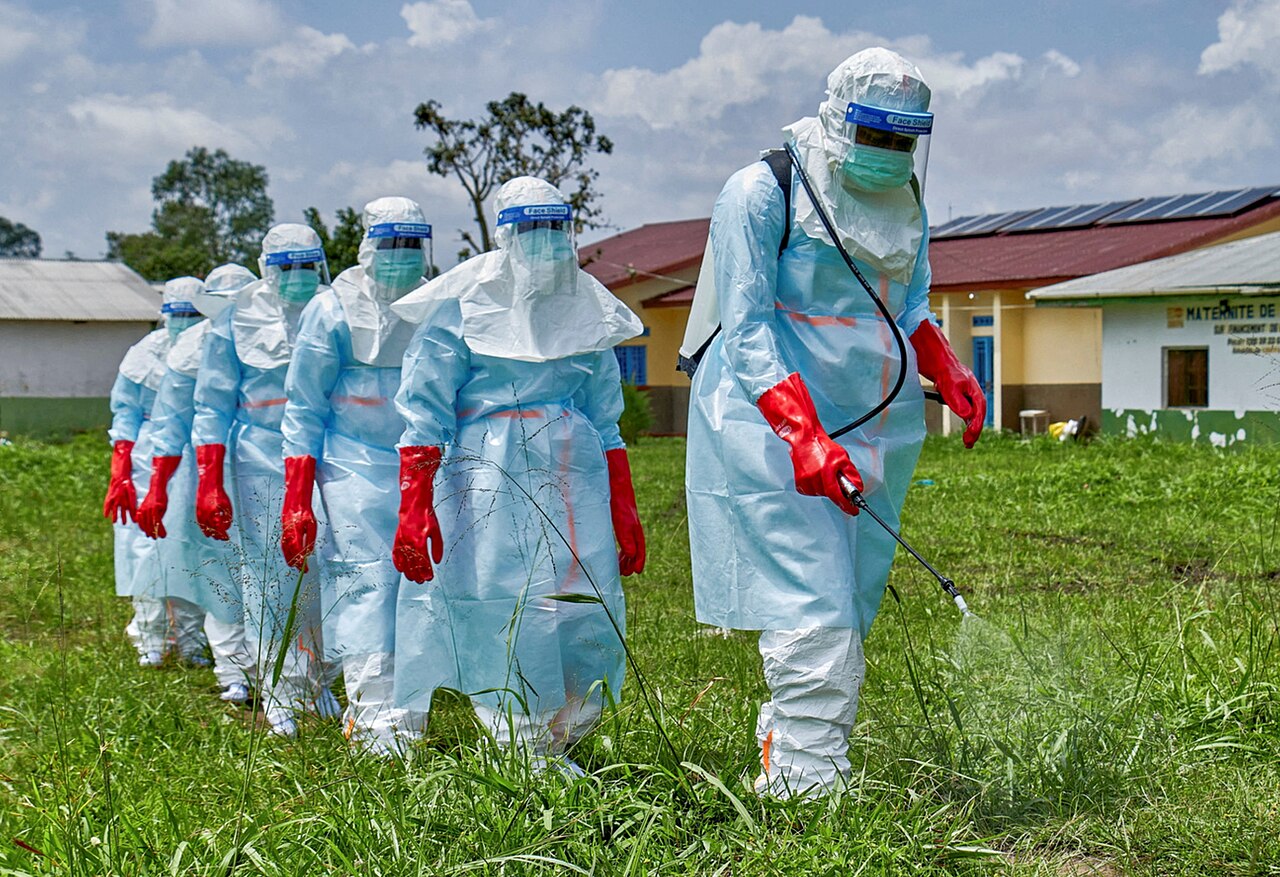
Ebola Epidemic: Ten more African countries are at risk of being affected by the ongoing Ebola outbreak. WHO declared a global emergency after an Ebola outbreak in Congo-Kinshasa also spread to neighboring Uganda. Since the last Disease Outbreak News was published on 16 May 2026, the number of suspected and confirmed cases has increased rapidly in DRC.
VIENNA MAY 23: Ten more African countries are at risk of being affected by the ongoing Ebola outbreak in Congo-Kinshasa. Neighboring Uganda has confirmed three new cases, bringing the total number of infections in the country to five. In May 2026, the WHO declared a global emergency after an Ebola outbreak in Congo-Kinshasa also spread to neighboring Uganda.
Angola, Burundi, the Central African Republic, Congo-Brazzaville, Ethiopia, Kenya, Rwanda, South Sudan, Tanzania and Zambia are the countries – in addition to Congo-Kinshasa and Uganda – in the danger zone, according to the African Union’s public health agency, Africa CDC.
Since the last Disease Outbreak News was published on 16 May 2026, the number of suspected and confirmed cases has increased rapidly in DRC, with geographical expansion into North Kivu and South Kivu. In total, 746 suspected cases, including 176 deaths among suspected cases have been reported from DRC as of 21 May 2026; and 85 confirmed cases (two in Uganda), including ten deaths (one in Uganda) (CFR 12%) have been reported from both countries.
Bundibugyo virus disease (BVD) is a severe and often fatal form of Ebola disease caused by the Bundibugyo virus, one of the Orthoebolavirus species. It is a zoonotic disease, with fruit bats suspected to be the natural reservoir. Human infection occurs through close contact with the blood or secretions of infected wildlife, such as bats or non-human primates, and subsequently spreads from person to person through direct contact with the blood, secretions, organs, or other bodily fluids of infected individuals or contaminated surfaces.
The incubation period for BVD ranges from 2 to 21 days, and individuals are usually not infectious until symptom onset. Early symptoms are non-specific, including fever, fatigue, muscle pain, headache, and sore throat, which complicates clinical diagnosis and can delay detection.